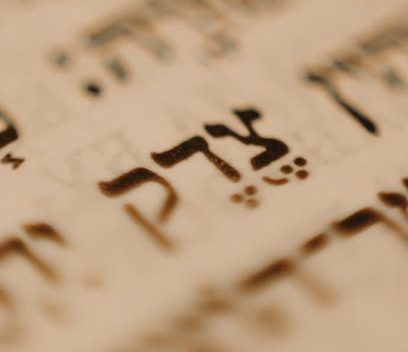
Psalms 119 is the longest psalm in the Bible, and it has as its topic, the Bible. There are 22 letters in the Hebrew alphabet, and there are 22 8-verse sections in this psalm. The first 8 stanzas in Psalm 119 all begin with aleph in the Hebrew. We don’t know who penned this psalm, but many commentators attribute this to David. It is from a perspective of a person who loves God and is trying to seek him from his Word.
Psalm 119:1-8 KJV
1Blessed are the undefiled in the way, who walk in the law of the Lord.
2 Blessed are they that keep his testimonies, and that seek him with the whole heart.
3 They also do no iniquity: they walk in his ways.
4 Thou hast commanded us to keep thy precepts diligently.
5 O that my ways were directed to keep thy statutes!
6 Then shall I not be ashamed, when I have respect unto all thy commandments.
7 I will praise thee with uprightness of heart, when I shall have learned thy righteous judgments.
8 I will keep thy statutes: O forsake me not utterly.
The first word in this Psalm is “blessed.” This word is simple. It basically means to be happy. This is not a state of emotion, but a state of satisfaction. It is kind of like having a nice work out in the gym, you feel sore and week but also you feel good. This state of blessedness doesn’t mean that everything is going well, but it does imply that the things that matter are going well. Your outlook on life will be good, you will be able to say, “I am blessed by God.” It doesn’t mean you will be financially set; it doesn’t mean that everything in your life is going perfectly, but it does show that you have a perspective of God’s hand of blessing upon your life because.
This type of blessedness can only come by walking undefiled in the way. Meaning you understand that you are wright with God and with man. Your conscience does not convict you. No man has a just complaint about you – even if many wicked men speak evil, you know that they are without merit before God. This type of blessedness is only found in the justification that is not by the law. It is the justification that Christ can work in an individual’s life through his substitutionary attornment. The blood of Jesus Christ is the only thing that can make us undefiled before God. It is what cleanses us from all iniquity. It is not by keeping the law that we attain unto this righteousness, but it is by Christ fulfilling the law on our behalf that makes us fit to walk before God. It is by his blood that we are blessed. Every true regenerated Christian has a wonderful reason to be blessed – He (or she) has been forgiven of his sins, there debt has been removed.
It is not enough to be made undefiled, if one truly wants to remain in the blessed state that God intends us to live in; we must also walk in the Law of the Lord. This means that we need to be pursuing a life of holiness before God. We must know his law to walk in it. This means we must study it and apply it properly to our life. We are not afraid of being called a legalist, because we know the motivation of our desire to follow the law is not based on following a strict standard to live by, but out of an attitude of gratitude toward God and a humility understanding that God’s ways are higher than ours and he is wiser than we. Legalism is when we start to impose our views on others as the only way to follow God. I do not believe listening to contemporary Christian music is edifying to Christians, but if I start to preach that the men in our church need to rip out their radios from their cars because it is evil, I have gone to far. I can warn of the dangers of ungodly music, I can show that the lifestyle of many of these artists are not Godly, I can analyze the effects of the beat and melodies, but I cannot force someone to follow my convictions. Notice, I am not talking about open sin, I am talking about a conviction. I can and should preach that the liar lie no more, that adulterer leave off the old man, and that the proud seek God in humility. this means that the one who walks in the law of the lord is not doing it so that he can appear better than others but out of a true conscience toward God.
Notice the word “blessed” again, opens up the second stanza. It is the same as the first. What makes the man blessed? keeping the testimonies of God. These testimonies are the history of the great acts that God has shown us, in his word is the primary use, but also in our everyday life. The fact that the God that we serve is the God that created the universe and everything that is found therein, the God that parted the red sea, the God that made the human eye, the God that rescued the Hebrew children from the fire, the God that walked ion water and controlled the storms, the God that made the blind to see and dumb to speak and healed many more such things, the God who sent his own son to die for us, yes that God he is my God and I will serve him and keep his testimonies. This is the God who has not held himself afar off but told us to draw near to him with our whole hearts. This God is seeking a relationship with us as a father seeks a relationship with a child. What a God! this should bless the socks off our corrupt heart. When we have been cut off in traffic – he is God! when we have no more energy – he is God. When the world hates us – he is God. When trials come upon us – God is bigger than these things. I am blessed just knowing that He is God alone! The act of keeping his testimonies and seeking him brings a blessing.
They also do no iniquity – that is that those who are in the pursuit of God will not be in pursuit of sin or iniquity. They walk in his ways, not after their own desires. They walk in the ways of God. They are doing the things that God wants for them, and they are careful not to go astray. Notice that these three stanzas are written in the third person. The psalmist is talking in general terms about every person that follows the ways of God will find the blessing of God. It is not segregated to a small group of people, but only a small group of people will find that true blessedness and stay in it.
In verse 4 we see the Psalmist changes from the third person to the first person. He goes from saying just a man, to us. He loses vague language and states personal pronouns of “my” and “I.” He also goes to expressly talking to God in a prayer like fashion. Thou (God) hast – past tense – commanded us to keep his commandments. This is an ongoing command. Jesus said if we love him, we will keep his commandments. We are commanded to keep his precepts – these are not just laws; it is the understanding of why the statute exists. Notice the last word – diligently. We are to be super observant about God’s commandments because it brings us live!
The Psalmist begins verse 5 with an emphatic “O.” Hear the agony and longing in his voice as he makes his request know unto God. It is a longing that his ways were directed to keep thy statutes! See the exclamation mark. He means business with God. He desires to have his steps ordered by in order to keep his statues. He is longing that his house is in order to walk in the ways of his statutes. He has not achieved this yet but is constantly longing for it. He is still experiencing the blessing of God because he is trying to live in accordance with the word of God.
Shame is brought up in the 6th verse, but he says he will not be ashamed. When we walk contrary to the law of God it brings shames and this prevents us from living a fulfilled life. If you are suffering from guilt and shame, it is high time you turned back to God, and he will remove this from your life. The man that respects God’s commandments does not have to walk in shame. He can be bold and unafraid. He is made pure. When a man is at peace with God and his commandments he can walk in peace with himself.
IF a man is truly walking after the Lord this will not produce a spirit of pride in his life, but it will bring out an attitude of gratefulness. Notice in verse 7 he says that he will praise God with his uprightness of heart, because he knows where he received his righteousness from. It comes from understanding the justice and judgements of God, when you understand how merciful, yet just our God is it can produce nothing but love and gratitude and praise in our heart.
this psalm ends with two emphatic statements. I will keep thy statues, and O – that groan of desire – forsake me not utterly. These two statements are joined hard together. The psalmist knows that in order to keep that statues he must experience the presence of the almighty God. We cannot keep God’s law in our own strength; we must have him there to guide us and to keep us in them. Always tugging at our hearts to turn back to them. The psalmist knew, as did the old hymn write of days gone by, we are prone to wonder from the God we love. O God – should be our cry – Forsake us not utterly!
S. T.
Acts 20:24
"but none of these things move me..."
 wonderfullymadepublication.com